
Airline Pet Travel Rules: How Pets Fly Internationally


Flying internationally with a pet involves much more than simply booking a ticket. Every airline has its own regulations regarding pet size, crate requirements, documentation, temperature restrictions, and cargo handling procedures.
Understanding these airline pet travel rules is essential when planning an international move. A mistake in airline compliance can lead to denied boarding, travel delays, or unnecessary stress for both pets and owners.
For families relocating abroad, navigating these logistics can quickly become overwhelming—especially when combined with customs paperwork and destination country regulations. This is why many people work with experienced relocation providers like Orient International Relocation, whose dedicated Pet Relocation Services help coordinate flights, documentation, crate compliance, and safe transport from start to finish.
In this guide, we explain how pets travel internationally, what airlines require, and how to prepare your pet for a safe and smooth journey.
How Do Pets Travel Internationally?
Pets traveling internationally are typically transported in one of three ways:
1. In-Cabin Travel
Small pets that meet airline size and weight limits may travel inside the cabin with their owners.
Common Requirements:
Airline-approved soft carrier
Weight restrictions
Carrier fits under the seat
Not all airlines or countries allow cabin pet travel on international routes.
2. Checked Baggage
Some airlines allow pets to travel in the aircraft hold as checked baggage when owners are on the same flight.
This option is becoming less common internationally due to changing airline policies.
3. Cargo Transport
Cargo transport is the most common method for international pet relocation.
Pets travel in a temperature-controlled and pressurized section of the aircraft specifically designed for live animal transport.
📌 Most large-breed dogs and long-distance relocations require cargo transport.
👉 Learn more about full relocation coordination through Orient’s IPATA-Certified Pet Relocation Services.
Understanding Airline Pet Travel Rules
Every airline has different rules regarding:
pet breeds
crate sizes
weather conditions
routing restrictions
seasonal embargoes
Common Airline Restrictions Include:
Snub-nosed breed restrictions
Temperature embargoes during summer/winter
Transit country limitations
Maximum travel durations
📌 Failing to meet airline requirements can result in denied boarding at check-in.
Working with relocation specialists like Orient International Relocation helps ensure all airline policies are reviewed before departure. Get a Free Quote.
IATA Pet Travel Regulations
Most international airlines follow standards established by the International Air Transport Association (IATA).
These rules focus on:
animal safety
crate standards
ventilation requirements
handling procedures
Why IATA Compliance Matters
Airlines may reject pets that do not meet IATA crate or travel standards.
This is especially important for:
long-haul international flights
connecting flights
cargo shipments
👉 Orient’s Pet Handling Services include crate inspections and travel preparation support to ensure compliance before departure.
Airline-Approved Pet Crate Requirements
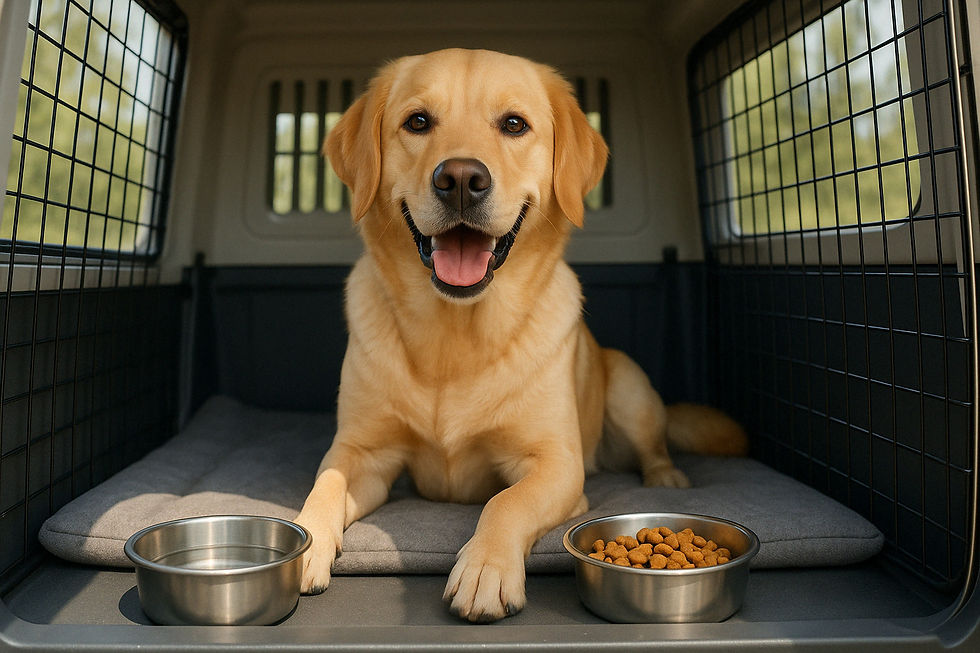
Your pet’s travel crate is one of the most important parts of the relocation process.
Airlines Typically Require:
✔ Proper ventilation on multiple sides
✔ Leak-proof flooring
✔ Secure locking mechanisms
✔ Enough space for the pet to stand and turn comfortably
✔ Food and water access
Crate Size Matters
A crate that is too small or incorrectly designed may be rejected by the airline.
📌 Crate compliance is one of the most common reasons pets are denied check-in.
👉 Read our detailed guide on choosing the right crate in: Choosing the Right Pet Travel Crate for International Flights
Airline Restrictions for Certain Dog Breeds
Some airlines impose restrictions on:
brachycephalic (snub-nosed) breeds
large breeds
aggressive breed classifications
Commonly Restricted Breeds Include:
Bulldogs
Pugs
Persian cats
Boxers
This is primarily due to breathing and safety concerns during air travel.
📌 Breed restrictions vary by airline and destination country.
Temperature and Weather Restrictions
Airlines may suspend pet transport during periods of extreme heat or cold.
Why? Pets can be vulnerable during:
loading and unloading
airport transfers
transit delays
Common Temperature Restrictions:
High summer temperatures
Freezing winter conditions
This is why flight timing and route planning are critical.
With experience coordinating international moves through Nepal and global destinations, Orient International Relocation helps families plan routes that prioritize pet safety and airline compliance.
Documentation Required by Airlines
Most airlines require:
Veterinary health certificate
Vaccination records
Import permits (if applicable)
Microchip information
📌 Airline approval alone is not enough—you must also meet destination country requirements.
How to Prepare Your Pet for a Flight
Preparing pets properly can significantly reduce travel stress.
Recommended Preparation Steps:
✔ Crate train your pet before travel
✔ Maintain normal feeding routines
✔ Exercise pets before departure
✔ Avoid sedation unless advised by a veterinarian
Why Crate Familiarity Matters
Pets that are comfortable inside their crate generally travel more calmly.
👉 See Orient’s Pet Relocation Services in Nepal for crate preparation and travel coordination support.
Common Airline Pet Travel Mistakes
Many travel issues happen because owners overlook airline-specific rules.
Common Mistakes Include:
Incorrect crate dimensions
Booking incompatible routes
Ignoring weather embargoes
Missing documentation
Last-minute airline approvals
👉 If you want to avoid such high-risk and costly mistakes, it's best to consult with pet relocation experts. Orient International Relocations, handles the entire process keeping you and your pet safe and stress-free. Get a free Quote
Why Many Families Use Professional Pet Relocation Services
Managing international airline logistics independently can be stressful and time-consuming.
Professional relocation services help coordinate:
airline bookings
crate compliance
flight routing
customs paperwork
airport handling
real-time travel monitoring
As Nepal’s only IPATA-certified pet relocation provider, Orient International Relocation offers end-to-end coordination designed to make international pet travel safer and less stressful for both pets and owners.
Understanding airline pet travel rules is essential for ensuring your pet’s international journey is safe, compliant, and stress-free. From airline-approved crates and breed restrictions to cargo logistics and documentation, every detail matters.
Because airline policies and international regulations can be complex, many families choose professional support to avoid delays, denied boarding, or unnecessary stress.
With proper preparation—and expert guidance—your pet can travel safely and comfortably to their new home abroad.
Plan Your Pet’s Flight With Confidence
Planning to fly internationally with your pet?
Explore Orient’s specialized Pet Relocation Services and international moving support.
Or contact Orient International Relocation for expert help with:
airline approvals
crate compliance
documentation
flight coordination
door-to-door pet relocation support
You can also explore Orient’s broader International Relocation Services for complete moving assistance.


Comments